“Unheard of” search results (80250)
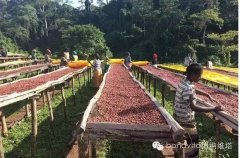
Delicious coffee. Five tips. Tasty coffee.
Coffee quality: to comment on the quality of a cup of coffee, you should have an in-depth understanding of the basic information of coffee, such as the variety of coffee, the place of production and regional characteristics of coffee beans, the height of planting, the process of handling raw beans, bean age, purity, size and water content. However, such detailed information is usually not available, so taste and aroma become the final criteria, and experience becomes the conclusion of coffee.
2016-06-01 Delicious coffee five tips delicious
History of introduction and expansion of Coffee in China in the early stage of Coffee Development (1)
1. The introduction of Ruili Jingpo Nongxian Coffee was recorded in 1914. In April 1996, it was compiled by the compilation Committee of Ruili City Chronicles of Yunnan Province. The fifth coffee section on page 383 of Ruili City Chronicles published by Sichuan Dictionary Publishing House recorded that as early as 1914, the Jingpo people have been introduced from Myanmar to Nongxian Township for cultivation. Yunnan Provincial Chronicles, Volume 39, Chapter 3 of the Local Series of the people's Republic of China
2015-03-09 China Coffee Development course early introduction expansion about Ruili Jingpeng
Basic knowledge of Coffee and Nutrition Fine Coffee
Coffee contains a small amount of nutrients. Every 100 grams of coffee beans contain 2.2 grams of moisture, 12.6 grams of protein, 16 grams of fat, 46.7 grams of sugar, 9 grams of cellulose, 4.2 grams of ash, 120 milligrams of calcium, 170 milligrams of phosphorus, 42 milligrams of iron, 3 milligrams of sodium, 0.12 grams of vitamin B2, 3.5 milligrams of nicotinic acid, 1.3 grams of caffeine and 8 grams of tannins.
2015-01-27 Coffee nutrition boutique basics common sense coffee contains a small amount ingredients
The encounter between Zhou Enlai and the Cafe of Flowers in Paris
The Flower Cafe, located at 172nd St. Germain Street in the sixth arrondissement of Paris, was built in 1887 because there was a statue of the ancient Roman goddess Flore in front of the door. (file photo) Planet Ye took out a map of Paris to mark the footprints of Zhou Enlai that year. Oral history narrator: Ye Planet Zhou Enlai, president of the French European History Society, in the 13th arrondissement of Paris in the 1920s.
2015-06-11 Zhou Enlai Paris Flower God Cafe meet
Coffee planting History of Coffee introduction and expansion in China in the early stage (5)
1. From the first peak period of the development of China's coffee industry (1952-1961) to the late 1940s, according to recorded figures, there are 2173.33 hectares of rubber plantations in Hainan Island, with a total of 867600 rubber trees, with an annual output of 199,000 tons of dry rubber, and more than 300,000 coffee plants. the annual output of coffee beans is 1 ton. According to a survey in the early 1950s, there was a large amount of coffee left in Fushan area of Chengmai County, with a total of 70,000.
2014-10-14 Coffee knowledge coffee growing history Chinese coffee
The History of Coffee introduction and expansion in China in the early stage (5)
1. From the first peak period of the development of China's coffee industry (1952-1961) to the late 1940s, according to recorded figures, there are 2173.33 hectares of rubber plantations in Hainan Island, with a total of 867600 rubber trees, with an annual output of 199,000 tons of dry rubber, and more than 300,000 coffee plants. the annual output of coffee beans is 1 ton. According to a survey in the early 1950s, there was a large amount of coffee left in Fushan area of Chengmai County, with a total of 70,000.
2014-12-01 Coffee History Common sense early China introduction expansion planting Industry
Management and Service of Cafe Human Resource Management of Cafe
First, the use of organizations to promote the operation of cafes in the actual operation of cafes, but also through the organizational system, the use of human factors to complete various tasks. And under the mutual division of labor and mutual coordination, we can give full play to the overall team spirit and promote the operation of the cafe. The operation of modern cafes must be able to keep abreast of the rapidly changing market intelligence and the management rules of the cafe itself.
2014-09-19 Coffee shop operation coffee shop management coffee shop marketing
Five Tips for making delicious Coffee
Five tips for making delicious coffee: coffee quality: to comment on the quality of a cup of coffee, you should have an in-depth understanding of the basic information of coffee, such as the variety of coffee, the place of production and regional characteristics of coffee beans, the height of planting, the process of handling raw beans, age, purity, size and water content, but it is usually impossible to obtain such detailed information, so taste and aroma become the final
2016-06-07 Boiled delicious coffee five tips
Espresso production: degree of grinding (1)
I talked about the steps of pressing powder in the process of making Espresso and the strength of pressing powder, and mentioned a little about the factors that affect the strength of pressing powder, one of which is the degree of grinding of coffee powder. Grinding refers to the process of grinding coffee beans into the coffee powder used in making coffee by using a bean grinder (or manual grinding apparatus), and the degree of grinding refers to the thickness of the coffee powder.
2014-09-28 Coffee knowledge Espresso Coffee Encyclopedia Coffee Grinding
History of introduction and expansion of Coffee in early China (1)
1. The introduction of Ruili Jingpo Nongxian Coffee was recorded in 1914. In April 1996, it was compiled by the compilation Committee of Ruili City Chronicles of Yunnan Province. The fifth coffee section on page 383 of Ruili City Chronicles published by Sichuan Dictionary Publishing House recorded that as early as 1914, the Jingpo people have been introduced from Myanmar to Nongxian Township for cultivation. Yunnan Provincial Chronicles, Volume 39, Chapter 3 of the Local Series of the people's Republic of China
2015-04-28 Early China coffee introduction expansion about Ruili Jingpeng
History of introduction and expansion of Coffee in early China (5)
1. From the first peak period of the development of China's coffee industry (1952-1961) to the late 1940s, according to recorded figures, there are 2173.33 hectares of rubber plantations in Hainan Island, with a total of 867600 rubber trees, with an annual output of 199,000 tons of dry rubber, and more than 300,000 coffee plants. the annual output of coffee beans is 1 ton. According to a survey in the early 1950s, there was a large amount of coffee left in Fushan area of Chengmai County, with a total of 70,000.
2015-04-28 Early China coffee introduction expansion
The method of making fancy hot coffee on the menu of cafes in winter
Irish coffee ingredients: hot coffee 7 full of whipped cream sugar bag 1 bag of whisky 1 ounce of whisky 1 ounce of colorful rice method: first take out the Irish grill, put 1 bag of sugar in the Irish cup, 1 ounce of whiskey, then rotate the baking cup so that the sugar is evenly attached to the cup wall. Light the alcohol lamp, put the Irish cup on the grill, then light the whisky in the Irish cup and spin.
2014-12-04 Winter cafes menus fancy styles coffee production methods Ireland ingredients
Knowledge of grindability of espresso Espresso production 2
We have already understood the effect of the degree of grinding on the taste of Espresso and that the degree of grinding can be adjusted, but the range of this adjustment is very large.
2014-12-26 Italian espresso coffee Espresso production grinding knowledge in front
Coffee and nutritious coffee contain a small amount of nutrients
Coffee contains a small amount of nutrients. Every 100 grams of coffee beans contain 2.2 grams of moisture, 12.6 grams of protein, 16 grams of fat, 46.7 grams of sugar, 9 grams of cellulose, 4.2 grams of ash, 120 milligrams of calcium, 170 milligrams of phosphorus, 42 milligrams of iron, 3 milligrams of sodium, 0.12 grams of vitamin B2, 3.5 milligrams of nicotinic acid, 1.3 grams of caffeine and 8 grams of tannins.
2015-10-27 Coffee Nutrition contains small amount ingredient
History of introduction and expansion of Coffee in China in the early stage of Coffee Development (5)
1. From the first peak period of the development of China's coffee industry (1952-1961) to the late 1940s, according to recorded figures, there are 2173.33 hectares of rubber plantations in Hainan Island, with a total of 867600 rubber trees, with an annual output of 199,000 tons of dry rubber, and more than 300,000 coffee plants. the annual output of coffee beans is 1 ton. According to a survey in the early 1950s, there was a large amount of coffee left in Fushan area of Chengmai County, with a total of 70,000.
2015-03-09 China coffee development course early stage introduction expansion
The Grinding degree of the skills of making Espresso (2)
We have already understood the effect of the degree of grinding on the taste of Espresso and that the degree of grinding can be adjusted, but the range of this adjustment is very large.
2015-10-12 Production Espresso skill grinding
Properties of coffee beans during roasting
{attributes of coffee beans during roasting} the process of roasting beans is the main process of heating raw beans and developing the aroma and taste of coffee. The aroma and taste emitted are determined by the original characteristics of each kind of raw bean. The depth of fried beans depends on the type of raw beans, market demand or the way they are cooked. What kind of baking machine controls the depth of fried beans. Even if the chemistry of all kinds of raw beans
2016-04-26 Baking process Coffee beans Properties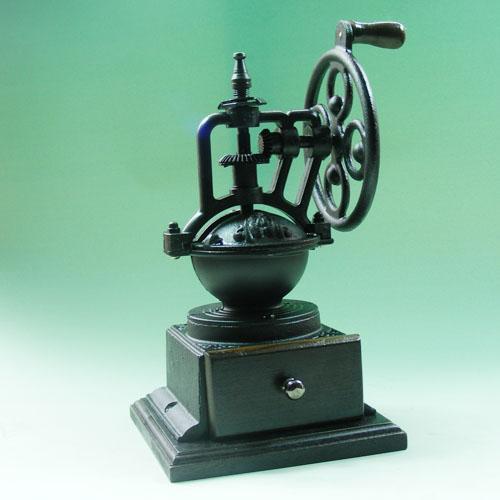
Bean grinder: on the importance of bean grinder in extraction the technology of making a cup of coffee
No matter what kind of extraction method we use, what kind of coffee beans and equipment we use to make a cup of coffee, the grinding quality plays a key role from beginning to end. Many beginners pay great attention to how to choose equipment and equipment, pay attention to brewing methods, but often underestimate the importance of the impact of bean grinders on the product, but do not realize that a cup of good coffee can really be called a fine product.
2015-12-14 Bean grinder talk about grinding bean machine extraction product medium importance ready one cup coffee
The basic knowledge of coffee the taste and taste of coffee
The sensory evaluation of coffee flavor is divided into three stages: smell, taste and taste. The sense of smell of coffee refers to the sensation of olfactory organs. People smell the smell because the receptors at the nasal septum are stimulated by volatile chemicals, usually containing hydrogen, carbon, nitrogen, oxygen or sulfur. When these chemicals are forced in the form of gases
2014-09-19 Coffee knowledge coffee basics coffee taste coffee tasting
The introduction of Ruili Jingpo Nongxian coffee was recorded in 1914.
In April 1996, compiled by the compilation Committee of Ruili City Chronicles of Yunnan Province, the fifth coffee section on page 383 of Ruili City Chronicles published by Sichuan Dictionary Publishing House recorded that as early as 1914, the Jingpo nationality had been introduced from Myanmar to Nongxian Township for cultivation. The local series of books of the people's Republic of China, Records of Yunnan Province, Volume 39, Records of Land Reclamation, Chapter 3, Section 2, Coffee is recorded: the cultivation of coffee in China began in 1884.
2015-02-07 About Ruili Jingpeng coffee introduction 1914 records